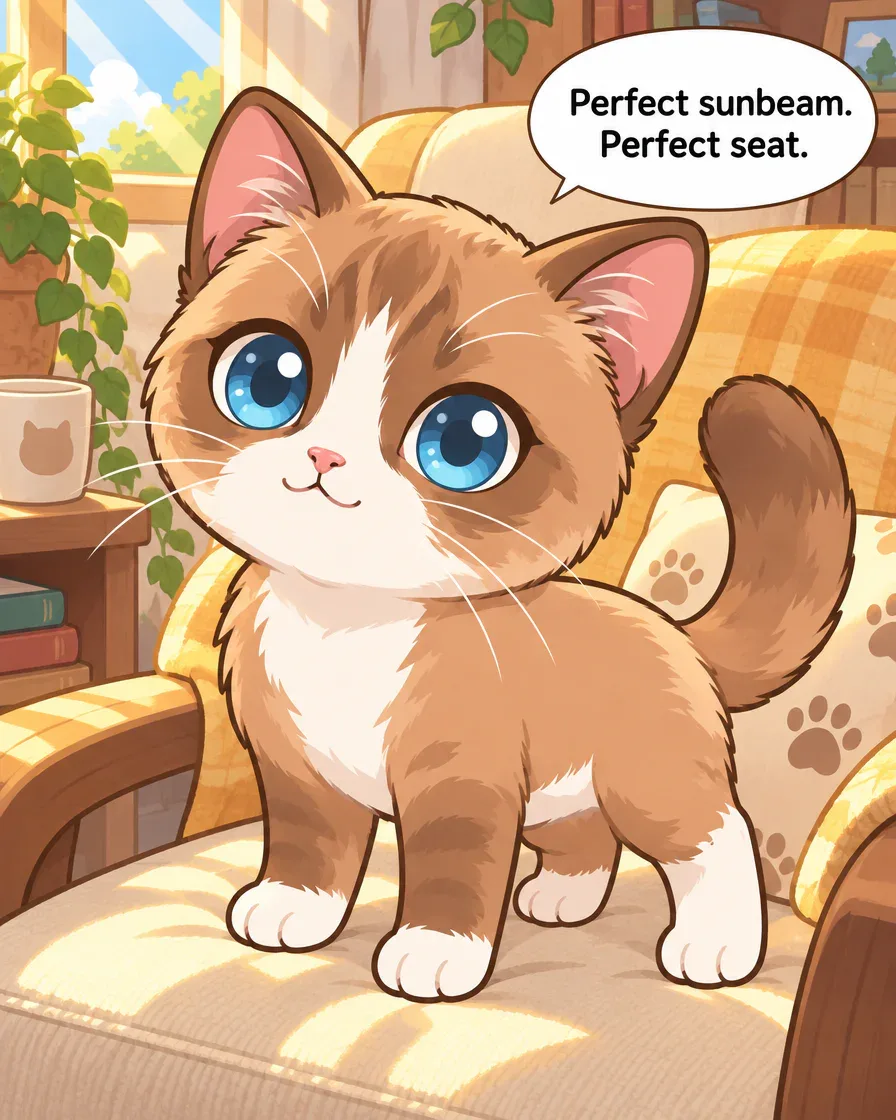
How to Make a Comic About Your Pet (12 Ideas + a Real Example)

GenToon
Oct 9, 2026 · 5 min read
An example comic created with GenToon AI.
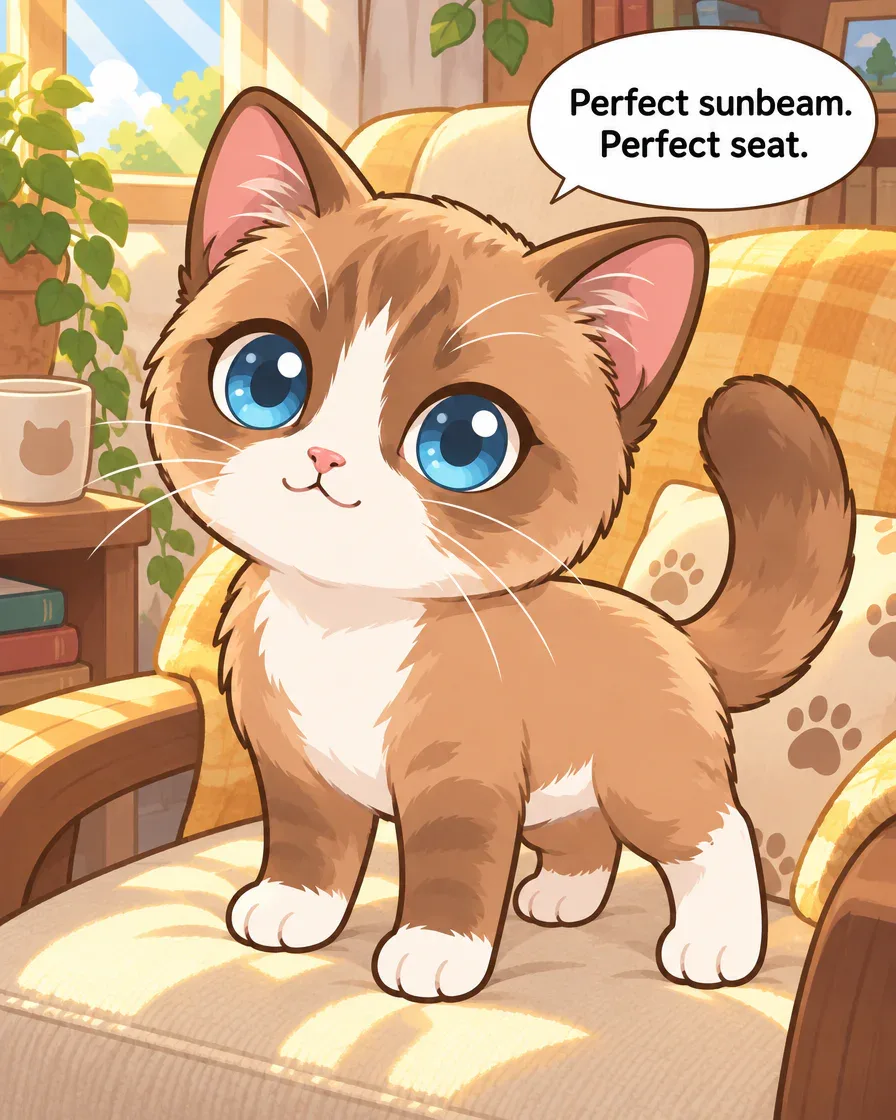
Panel 1Example generated in GenToon, panel 1 of 4.
Create webtoons and chat with people.
Browny leaves a sunny chair for a snack bag and finds a toy in his seat. Read the real four-panel result, then make a comic from one habit of your own pet.
A cat guards its sunny seat
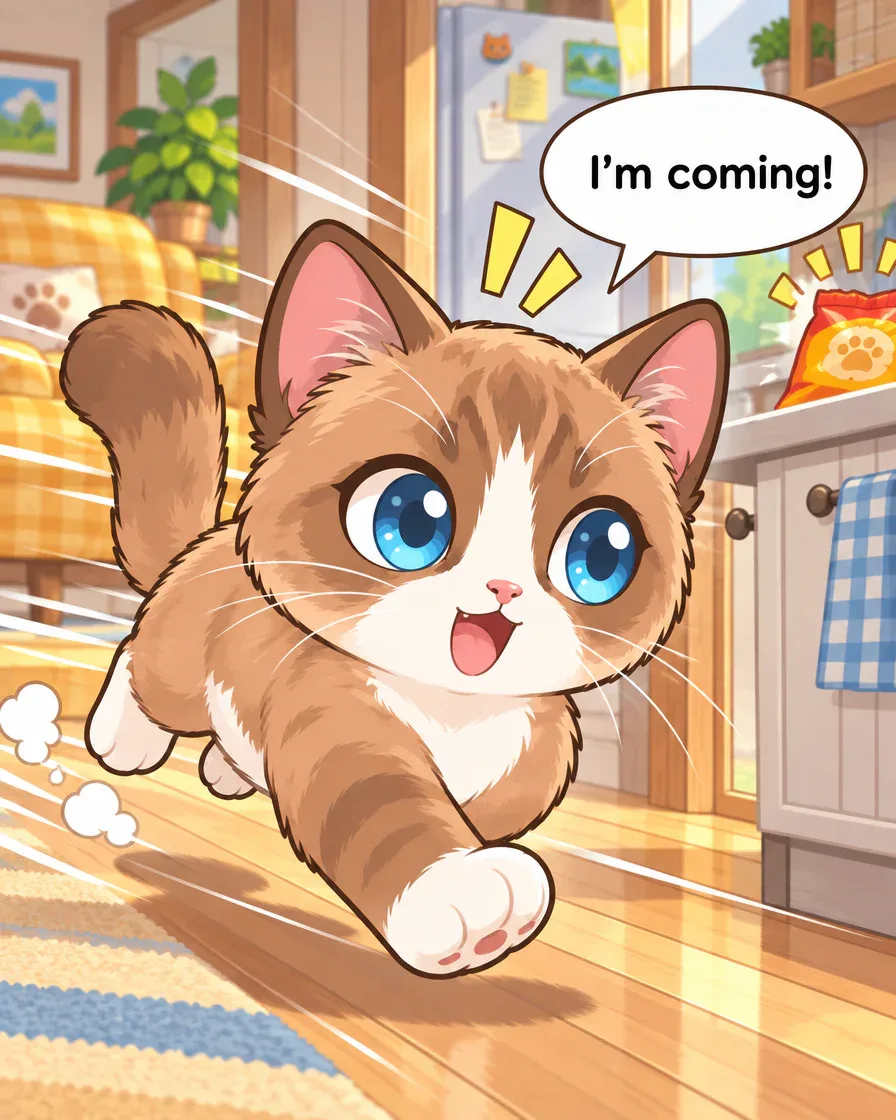
Browny’s actual four-panel Chibi comic follows a sunny seat, a snack bag, a dash and a toy in the chair. Read it as a story example, then replace the pet and interruption with your own.
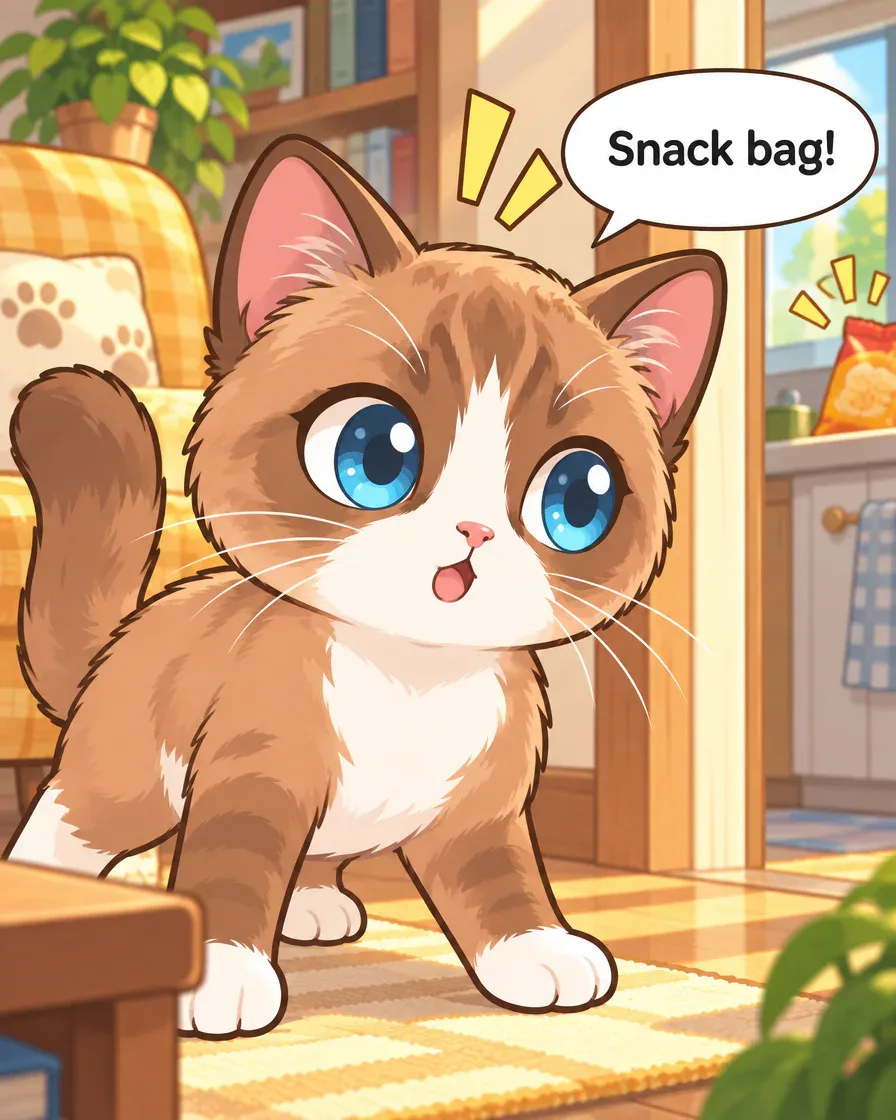
Panel 2Example generated in GenToon, panel 2 of 4. 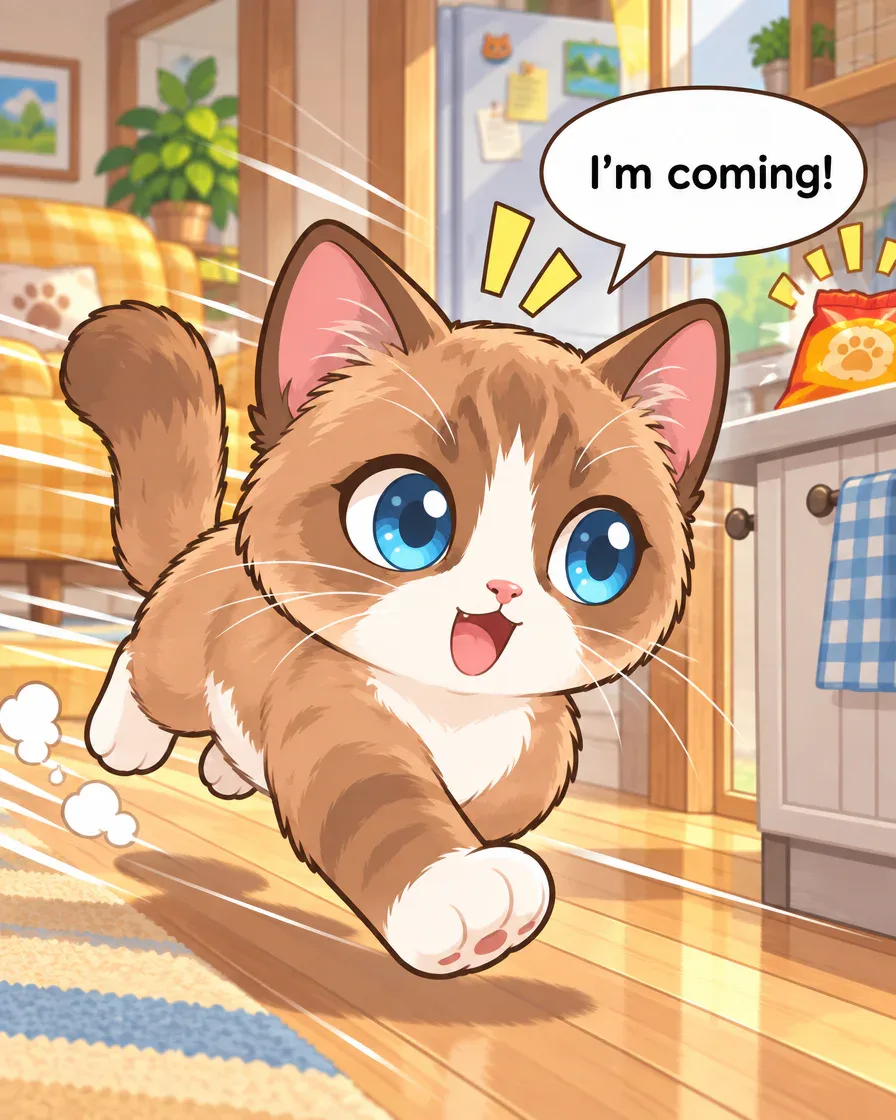
Panel 3Example generated in GenToon, panel 3 of 4. 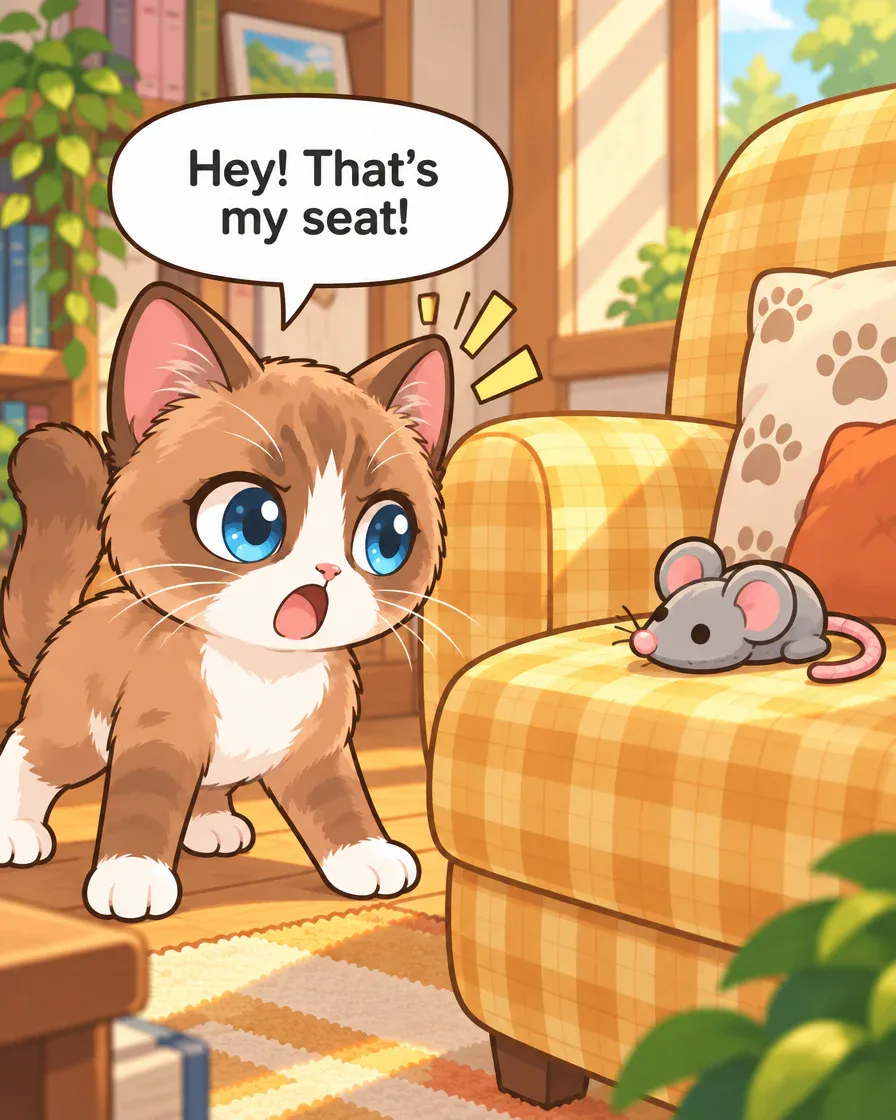
Panel 4Example generated in GenToon, panel 4 of 4.
Request for your own version
Make a four-panel comic with Browny Blog Cat: he guards a sunny chair, hears a snack bag, dashes to the kitchen, then returns to find a toy in his seat. Short English speech bubbles.
Art style used: Chibi
How this example was made
- Prepare your own four-panel request
Use the original Browny request or replace it with your own pet, its appearance, a familiar habit and a surprise. Read the four actions before sending the request in Studio.
- Read the plan and current cost
Check your pet’s appearance, the four actions, dialogue and ending, then review the displayed panel count, quality and cost. Pause an automatic countdown when you want to change the plan.
- Review the result and choose where to share
Read every panel at phone size. Compare characters, important props and words with your request, then decide which panels need changes before saving or sharing.
Inspired to tell your own story?
Create webtoons and chat with people.
Quick answer
- Choose one pet habit, add a small interruption and write four visible actions.
- Use the actual Browny comic to plan your own request, check the current cost, and review the pet’s appearance, words and ending before sharing.
Your pet probably has a routine that makes perfect sense to them and no sense to you. A sunny chair, a rattling snack bag or a forbidden cardboard box can give you a complete comic story.
In the real GenToon example above, Browny leaves his favorite seat and returns to a surprise. Follow the four actions, then use your pet’s own habit to make a new comic. You supply the detail that makes it personal; read and revise the generated result before sharing it.
Start with Browny’s sunny-chair story
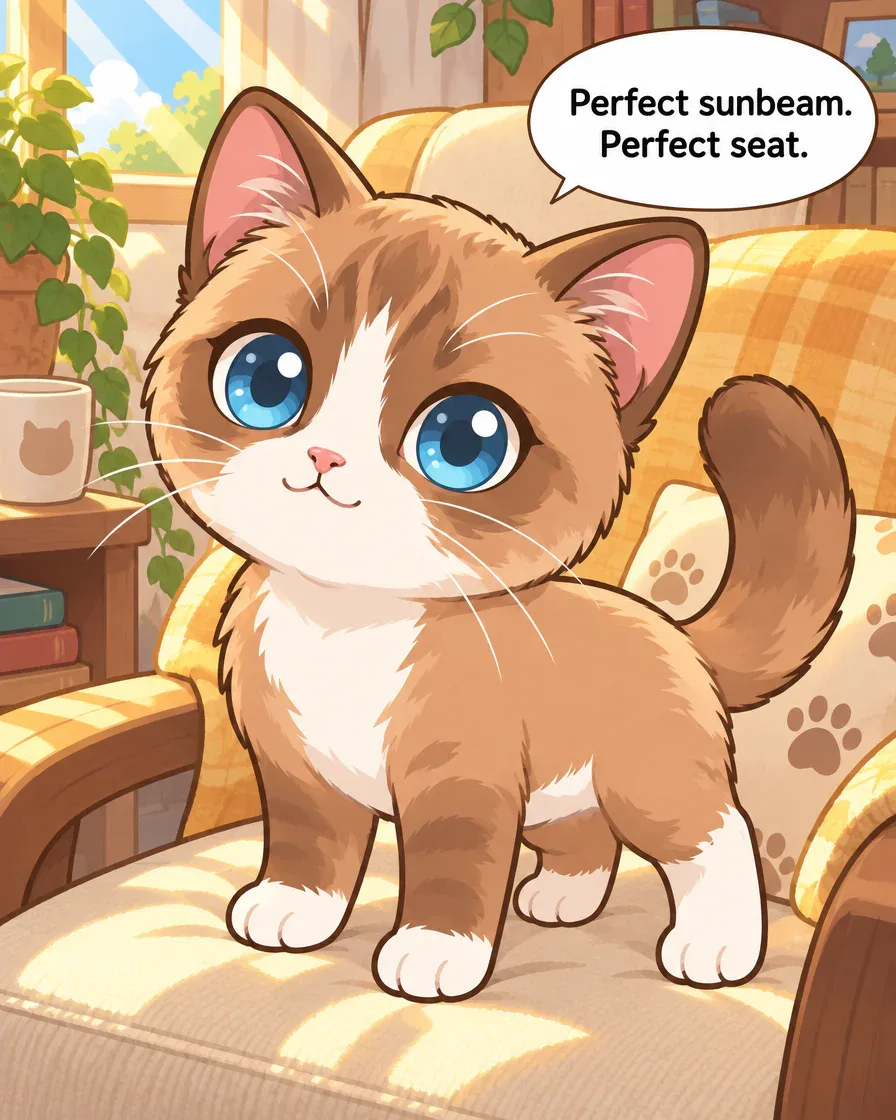
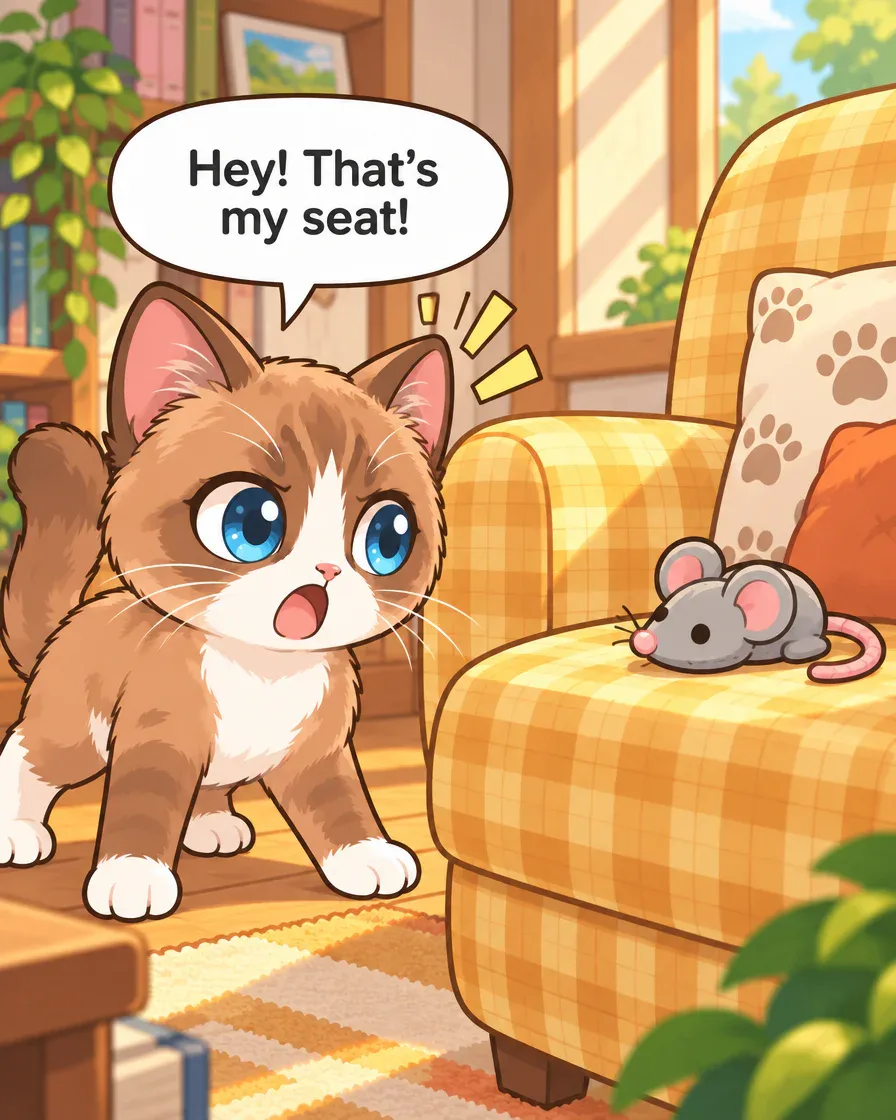
Browny has found the perfect seat. A snack bag distracts him, he runs to the kitchen, and a toy mouse takes his place. The four panels above are a completed GenToon comic in the Chibi style, with English speech bubbles.
This is the original request that made the example:
Make a four-panel comic with Browny Blog Cat: he guards a sunny chair, hears a snack bag, dashes to the kitchen, then returns to find a toy in his seat. Short English speech bubbles.
Read it beside the panels: the chair establishes what Browny wants, the snack changes his attention, and the occupied seat gives him something to react to. You can build a pet comic around one small interruption like this.
Give your pet three recognizable details
Choose details you can check in every panel. Browny has brown-and-white fur, large blue eyes and a fluffy tail. Your pet might have a white paw, one floppy ear or a favorite red collar.
| Detail | Add your own description |
|---|---|
| Coat or markings | [color and one distinctive patch] |
| Shape | [ears, face or tail] |
| Habit or accessory | [favorite toy, collar or repeated gesture] |
Use a photo you took or have permission to use if you want to begin with an image. This Browny example is not a before-and-after photo transformation. Save or select your pet character, then compare its features across the finished panels.
Choose the moment that interrupts the routine
In panel 2, Browny notices the snack bag. The short line and changed expression tell us why he might abandon his chair. That is enough to move the story forward.
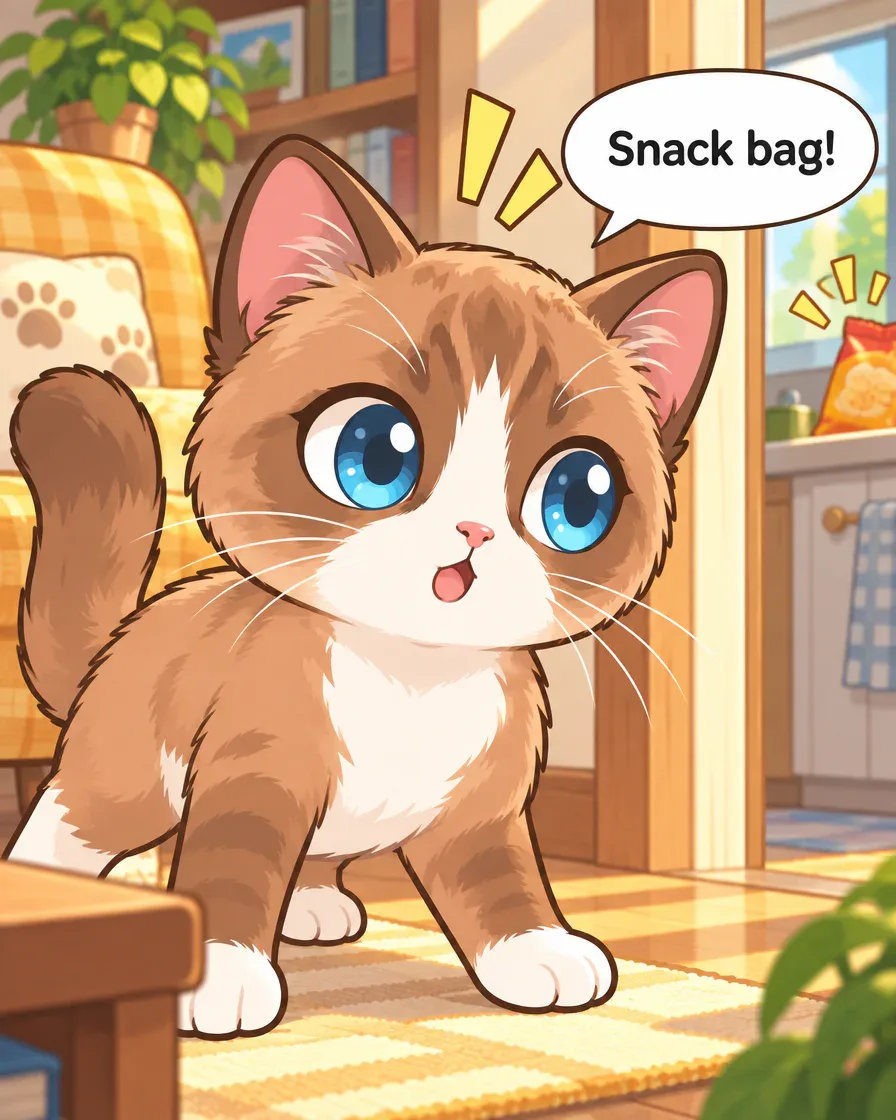
Pick a habit you recognize: the dog hears keys, the cat hears a packet opening, or the rabbit claims a cardboard box. Add the interruption and decide what your pet loses, discovers or misunderstands.
Try one sentence: “My [pet] wants [small comfort], hears or sees [distraction], does [reaction], then finds [unexpected result].” Keep it specific to your pet.
Write four actions before adding dialogue
Give each panel a job. Browny’s story moves from a comfortable seat to a distraction, a dash and an offended return. A reader can follow those actions before reading the bubbles.
| Panel | Browny’s example | Your story |
|---|---|---|
| 1 | Enjoy the sunny seat | [what your pet wants] |
| 2 | Notice the snack bag | [the interruption] |
| 3 | Run toward the kitchen | [the reaction] |
| 4 | Find a toy in the seat | [the surprise] |
Write a short line only where it adds the pet’s attitude. “My Cat’s Very Busy Schedule,” the gray-and-white cat exercise in earlier article illustrations, is a separate writing exercise. It is not this Browny run.
Put your own request in Studio and check the plan
Open Studio and turn those four actions into a request. Use your pet’s name and appearance, a chosen style, and short English dialogue. The article’s example button prepares the Browny request; change it to your own story before sending.
For example: “Make a four-panel comic about [pet and appearance]. It wants [comfort], notices [distraction], does [reaction], then finds [surprise]. Use [style] and short English speech bubbles.”
The original planning screen was not saved with this example. Review the plan shown for your new request: scene order, pet details, dialogue and ending.
Check the current balance, quality and displayed cost before drawing, including new-character or revision costs. Pause any automatic countdown when you want to make changes.
12 pet comic ideas you can make your own
Use one idea and add a true detail from your pet. Change the setting and ending so the comic sounds like your household.
- An expensive bed loses to its cardboard box.
- Picking up keys means a walk, even when you are taking out the trash.
- A full bowl receives a formal complaint.
- A video call needs a feline supervisor.
- The vacuum is a suspicious visitor.
- Bath time becomes a negotiation.
- The best nap spot is the laptop.
- A treat bag can be heard from another room.
- First snow changes the walking route.
- A new pet receives a house-rules briefing.
- A favorite toy disappears under the sofa.
- Your sleeping schedule clashes with the pet’s schedule.
Read the ending and check every panel
The toy mouse is on the chair in panel 4, and Browny objects. Read this beside the first panel: the same seat makes the change easy to understand. The snack bag does not need to appear again for the joke to land.
For your result, check the pet’s markings, the number and position of important objects, and every letter in the bubbles. Read the comic at phone size and ask whether the final expression tells the story.
Results can vary. Note the panel and the change you want, then check the current editing or regeneration cost before proceeding. Reopen the revised result and read it again.
Make one episode, then find your first reader
Start with the habit that made you laugh this week. Prepare your four actions in Studio, review the plan and current cost, then read the finished comic before saving it.
If you can share it publicly, show it in the GenToon community. Ask, “Which panel feels most like your pet?” Look at how other creators use expressions and short dialogue, and leave a specific comment on a scene you enjoyed.
For the next episode, select the same pet character and style, but give it a different problem. Check the appearance again. When you know how often you want to create, compare the current allowances and conditions on pricing.
Frequently asked questions
Can I start from a photo of my pet?
Use a photo you took or have permission to use, and review the character details before drawing. The Browny comic shown here is not a demonstration of turning a particular photo into a character.
Will my pet look the same in every panel?
A saved or selected character gives the panels a reference. Results can still vary, so compare markings, ears, accessories and other important details in each finished panel.
Do I need to draw the panels myself?
You can start with a written request in Studio. Review the proposed scenes before generation, then read the result and decide which panels need changes.
How much will my comic cost?
Check your current account balance, selected quality, panel count and displayed cost before drawing. New characters, edits and regeneration can also require credits. Read the current pricing page when comparing plans.
Where can I show my finished comic?
Share a comic you have permission to publish in the GenToon community, or download it for the destination you choose. Check the file, any logo and the actual post after sharing.